

Intro
Qatar Museums oversees over 20 cultural institutions, heritage sites, and public art spaces across the country — each with its own identity, content, and visitor experience. Before this app, visitors navigating between institutions had no single digital companion: no unified map, no shared ticketing, no consistent way to explore collections across venues.
Role
I led the design strategy and experience architecture for the Qatar Museums app — a bilingual platform bringing every institution under one coherent digital experience, connecting visitors to exhibitions, audio guides, interactive maps, QR-linked artwork stories, and a cultural loyalty pass.
Client
Qatar Museums
Platform
iOS & Android
The Challenge
Designing a single app for 20+ institutions meant solving for scale and coherence simultaneously. Each museum had distinct content structures, varying levels of digital maturity, and different visitor profiles — from international tourists at major landmarks to local families at community heritage sites.
The core design challenge: how do you create a navigation system flexible enough to serve all institutions without creating an experience so generic it serves none of them well? And how do you do it bilingually, with fully mirrored RTL layouts that feel native in Arabic, not translated?
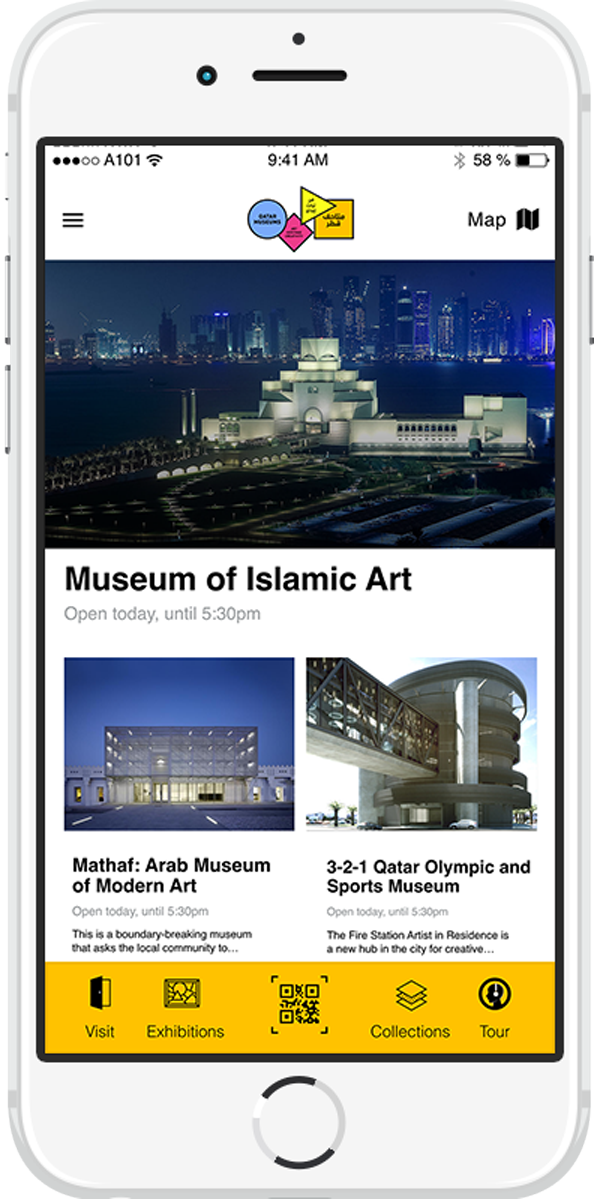
Unified Museum Access
Designed a single, consistent entry point that simplifies navigation across all Qatar Museums institutions — reducing friction and ensuring users can discover cultural destinations without switching platforms.
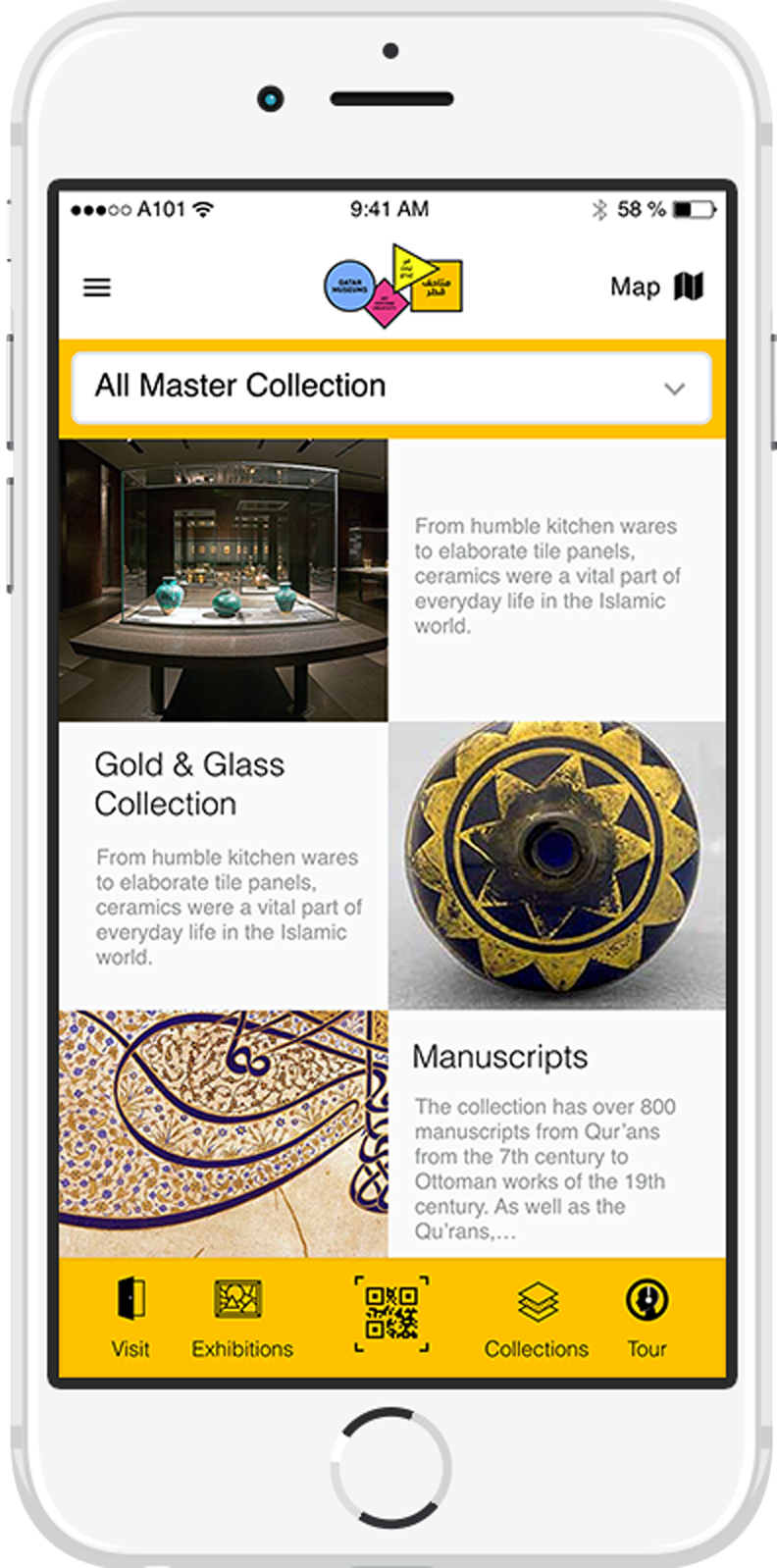
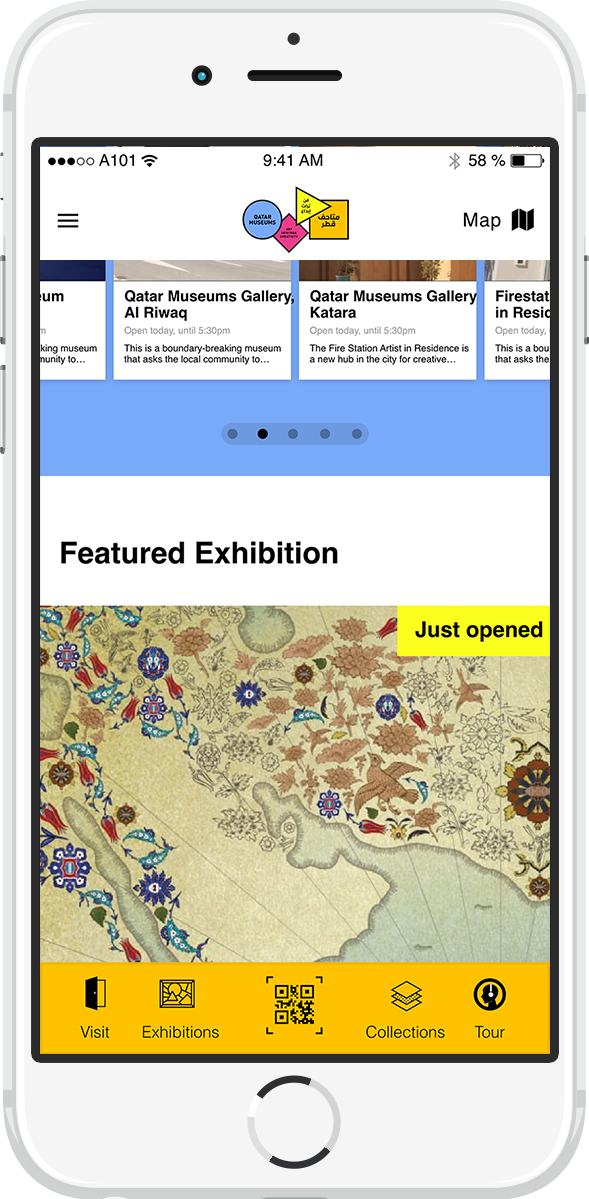
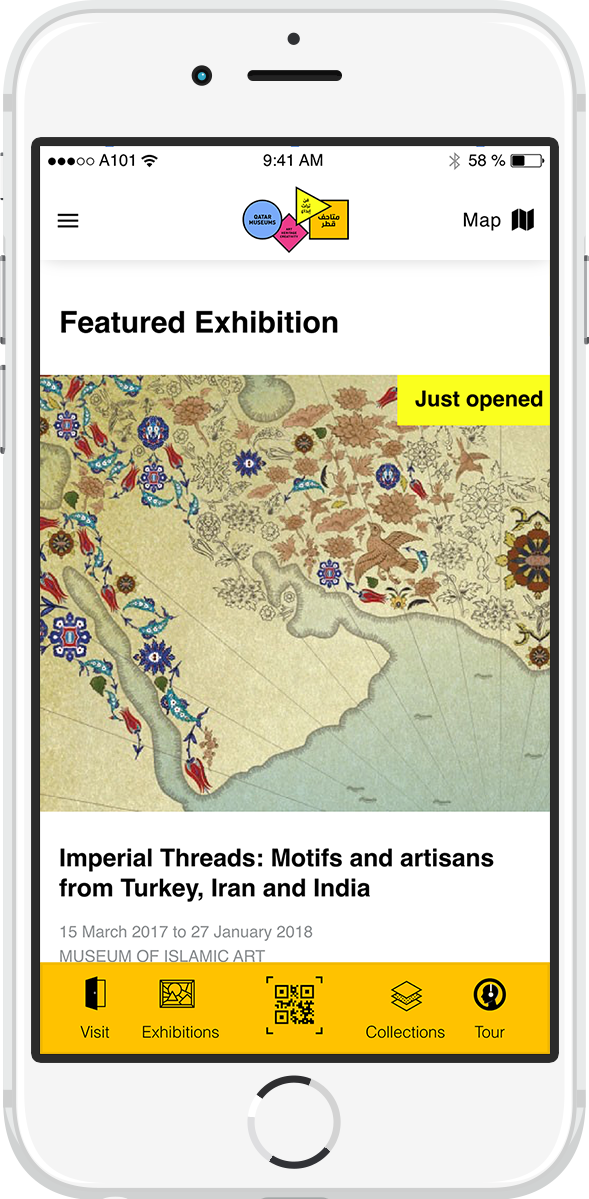
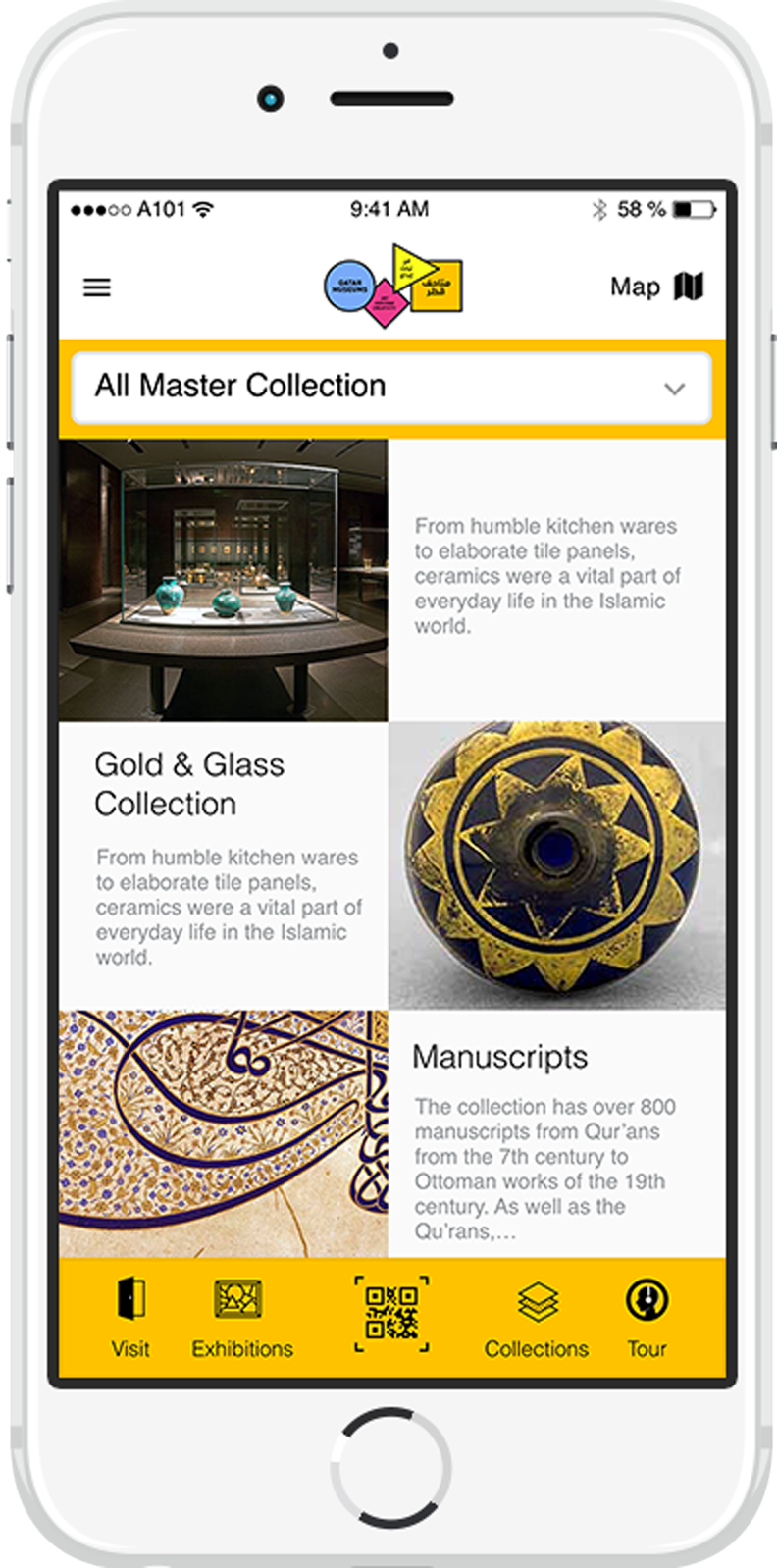
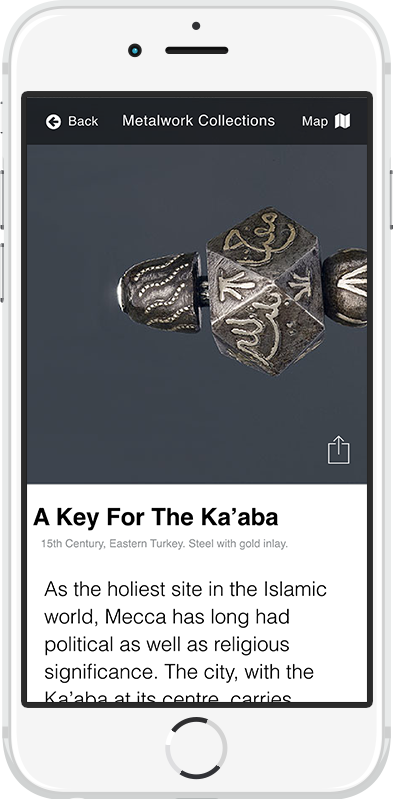
Exhibitions & Collections
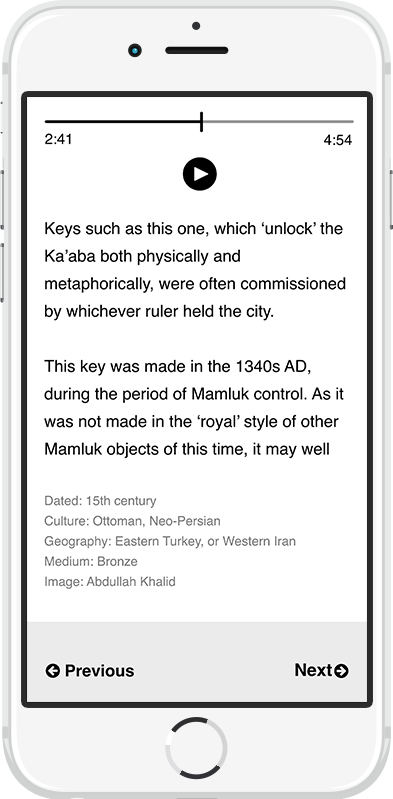
Structured exhibition and artwork content around user curiosity, with clear hierarchies, rich imagery, and contextual information that encourages deeper exploration without cognitive overload.
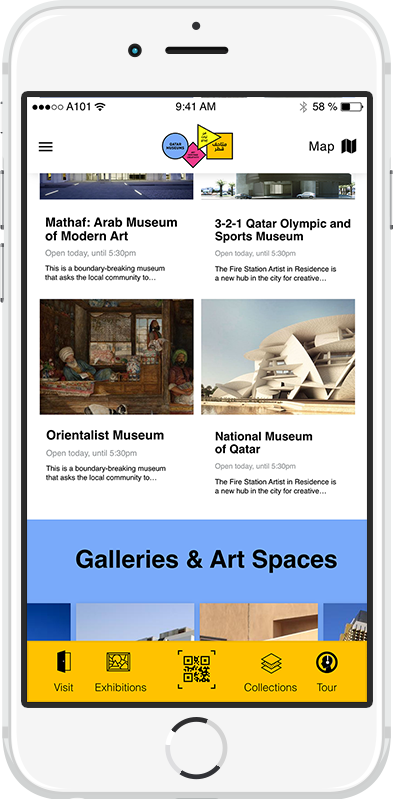
Galleries & Art Spaces
Created an intuitive browsing system that allows users to explore diverse venues and art spaces, maintaining orientation through consistent visual and navigational cues.
Cultural Pass Integration
Embedded a seamless sign-in and rewards experience that connects users’ museum visits with exclusive benefits — reinforcing engagement and return behavior.
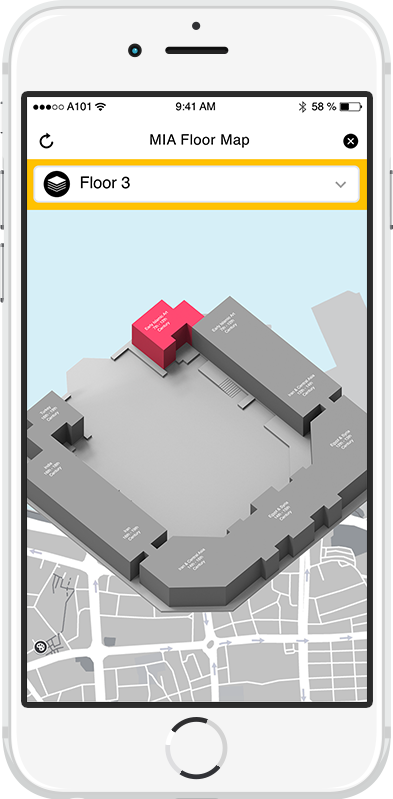
Interactive Wayfinder Maps
Designed map interactions focused on spatial awareness and ease of movement, helping users orient themselves in real-world museum environments through intuitive gestures and clear visual landmarks.
QR Code Scanning
Enabled a smooth, camera-based interaction that connects physical artworks to digital storytelling — providing immediate, contextual information and reducing the effort needed to learn about exhibits.
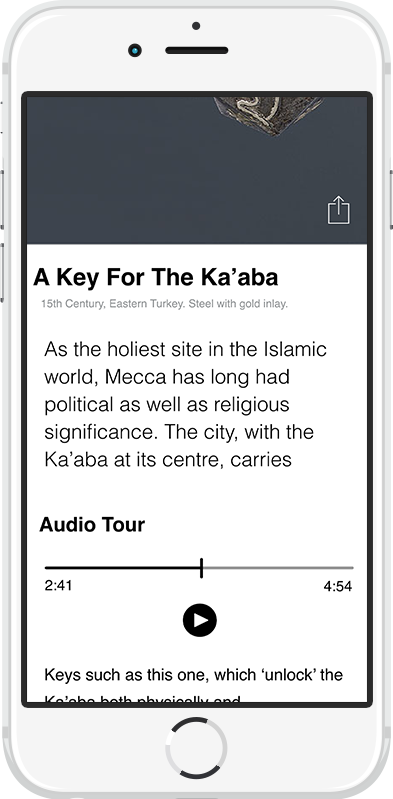
Audio Guides
Crafted an immersive listening experience that supports self-paced learning and accessibility, allowing visitors to engage with art through narrative and sound while navigating spaces hands-free.
Dining & Retail
Integrated information about cafés, restaurants, and museum shops into the discovery flow, addressing practical visitor needs and encouraging on-site engagement without disrupting exploration.
Favorites & Reminders
Introduced simple bookmarking and notification tools that give users control over what they want to revisit, personalizing their museum experience and promoting ongoing interaction.
Bilingual Interface
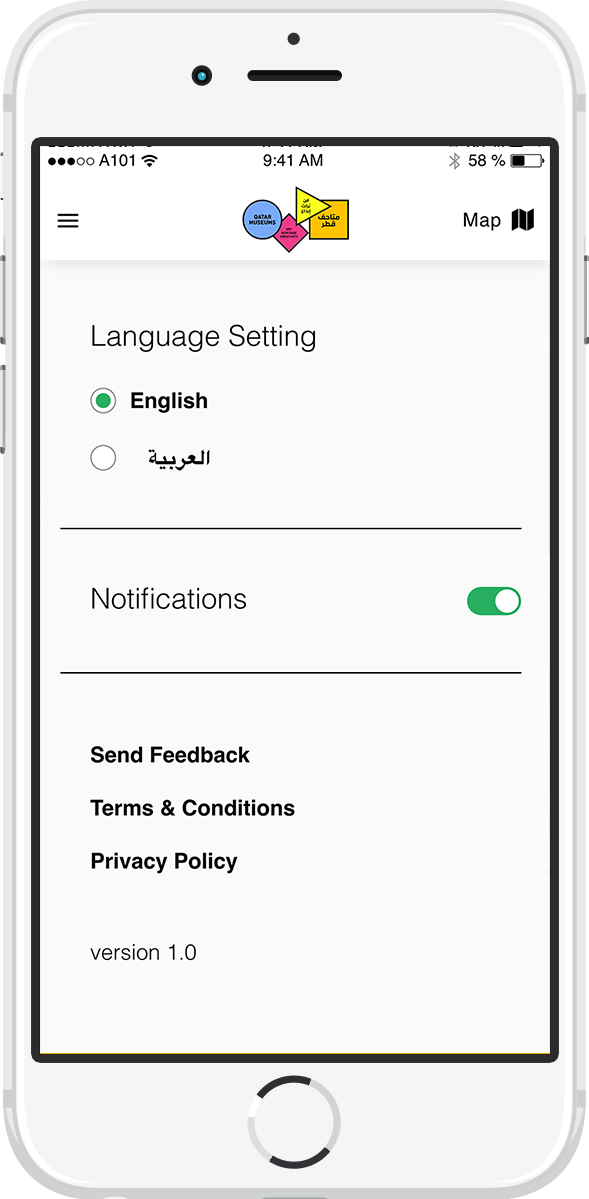
Designed for English and Arabic, with mirrored navigation and adaptable layouts to ensure a consistent, accessible experience for users of both left-to-right and right-to-left scripts.
What I Decided
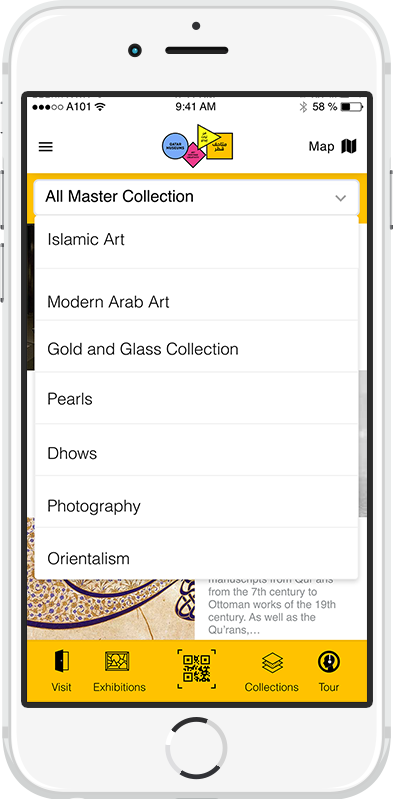
The most consequential design decision was the information architecture: rather than organizing by institution (which favored visitors who already knew what they wanted), I structured discovery around experience type — exhibitions, collections, audio guides, events — allowing visitors to explore thematically across institutions. This reduced the barrier to discovering smaller, less-known venues alongside flagship museums.
For bilingual design, mirroring layouts wasn't enough. I redesigned navigation patterns for Arabic to account for reading direction and cultural interaction habits, not just flip the interface. Icon placement, menu hierarchies, and gesture directions were each reconsidered for RTL context.



IMPACT
The app created a single digital front door for Qatar’s entire cultural network — reducing the fragmentation visitors previously experienced when moving between institutions.
By unifying access, wayfinding, and cultural content in one bilingual platform, it extended the reach of smaller institutions and strengthened the overall cohesion of Qatar Museums as a national brand.